Inverter Systems for Construction Site Trailers
The Short Answer: Equipping a construction site trailer with a reliable power system ensures continuous operations when permanent grid power is unavailable. Traditional job sites rely heavily on noisy, fuel-burning diesel generators that run constantly at peak waste. Integrating mobile energy storage and battery storage alongside solar panels provides clean, reliable power for mobile site offices, diagnostic computing tools, and communication networks while cutting daily fuel consumption and operational overhead.
Operating a modern construction project requires a stable power supply long before permanent electrical hookups are established by the local utility. Temporary construction site trailers serve as the logistical command center for contractors, project managers, safety inspectors, and administrative staff.
Relying solely on a loud gas generator creates unnecessary noise pollution, demands constant manual fuel maintenance, and results in high operating expenses. Transitioning toward advanced storage systems and renewable energy options allows builders to establish a quiet, efficient power generation setup that supports modern business operations on any active job site.
The Evolution of Temporary Power on Modern Job Sites
The Drawbacks of Traditional Generators
For decades, temporary trailer electrification meant parking a sputtering internal combustion engine outside the door and running heavy extension cords through windows. While this method worked, it has several important drawbacks, including constant noise, choking exhaust fumes, high maintenance demands, and rapid mechanical wear.
Meeting Strict Emissions Targets
The modern construction industry faces growing pressure to lower its carbon emissions and meet strict net zero targets without sacrificing daily construction process productivity or administrative uptime.Transitioning to a resilient system moves away from continuous fossil fuel combustion.
Building a Silent, Off-Grid Hub
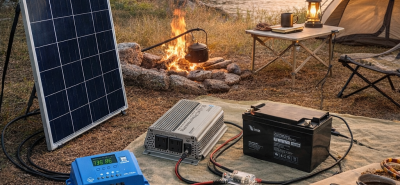
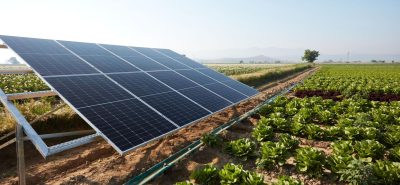
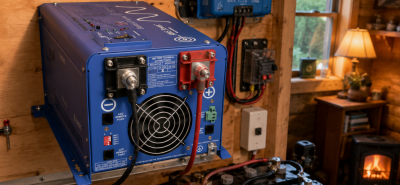
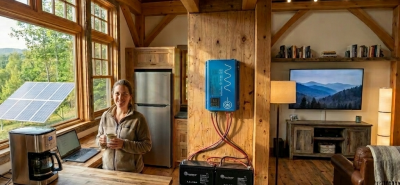
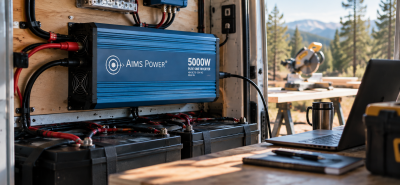
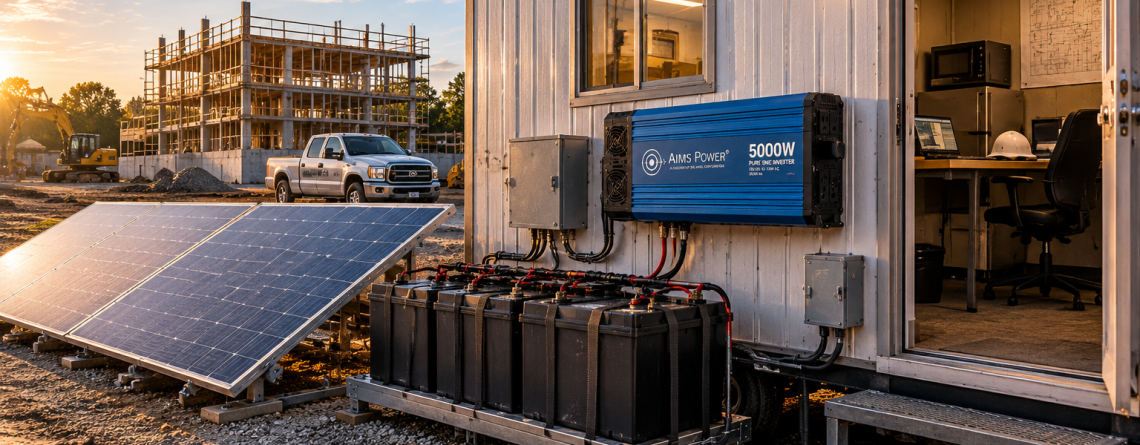
By pairing a high-capacity deep-cycle battery bank with an advanced pure sine wave inverter, builders can create a completely silent off-grid hub. During peak daylight hours, temporary solar power arrays capture ambient energy to recharge the internal battery system, while automated hybrid controls manage the power distribution.
This approach guarantees uninterrupted operations for project management software, design printers, climate control systems, and security monitoring gear without requiring a motor to idle wastefully around the clock.
In addition, job sites situated near municipal areas or residential zones face strict local noise ordinances. Traditional generators often violate these codes, resulting in fines or forced work stoppages. A silent mobile energy setup eliminates noise complaints entirely, allowing crews to work late or early without disrupting the surrounding local community.
Managing Construction Trailer Power Requirements and Baselines
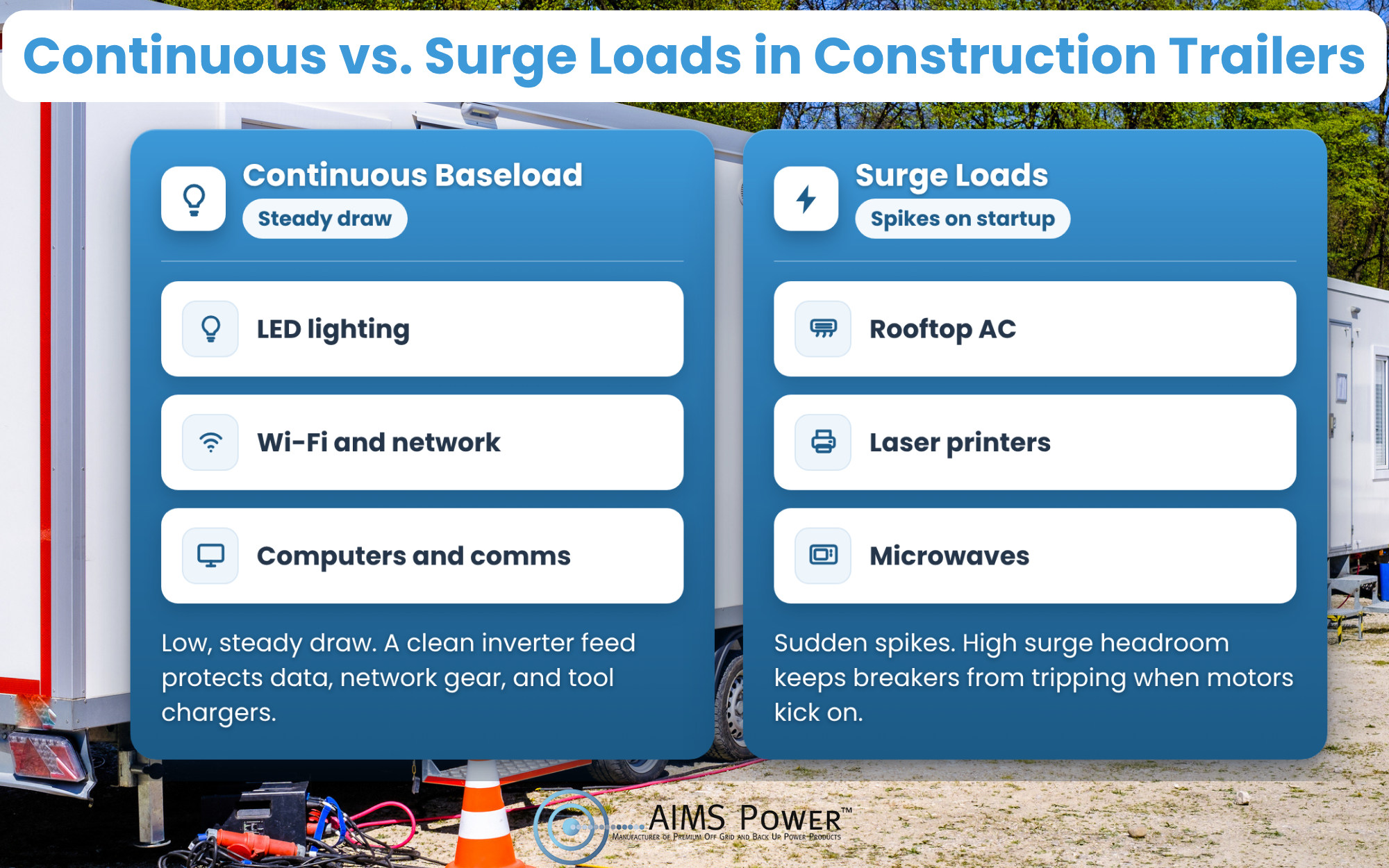
A construction office trailer handles a wide and unpredictable range of electrical demands throughout the workday. The load profile shifts constantly from low-draw LED lighting, Wi-Fi routers, and charging stations for cordless tools to heavy-duty laser printers, microwave units, and rooftop air conditioners. Sizing the underlying electrical infrastructure properly prevents system overloads, equipment damage, and unexpected shutdowns.
Continuous Baseload Management
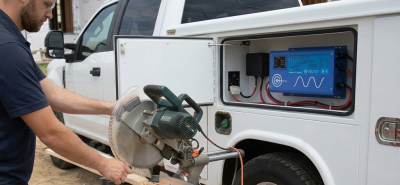
Lighter office electronics require a steady, clean flow of current. Running sensitive computers and network infrastructure through a high-efficiency inverter charger prevents electrical noise, data corruption, and hardware degradation caused by dirty power signals.
Surge Demands and Inductive Loads
When heavy-duty office appliances or climate control compressors kick on, the power requirements spike instantly. An inverter with high surge capability handles these transient loads smoothly without tripping circuit breakers or collapsing system voltage.
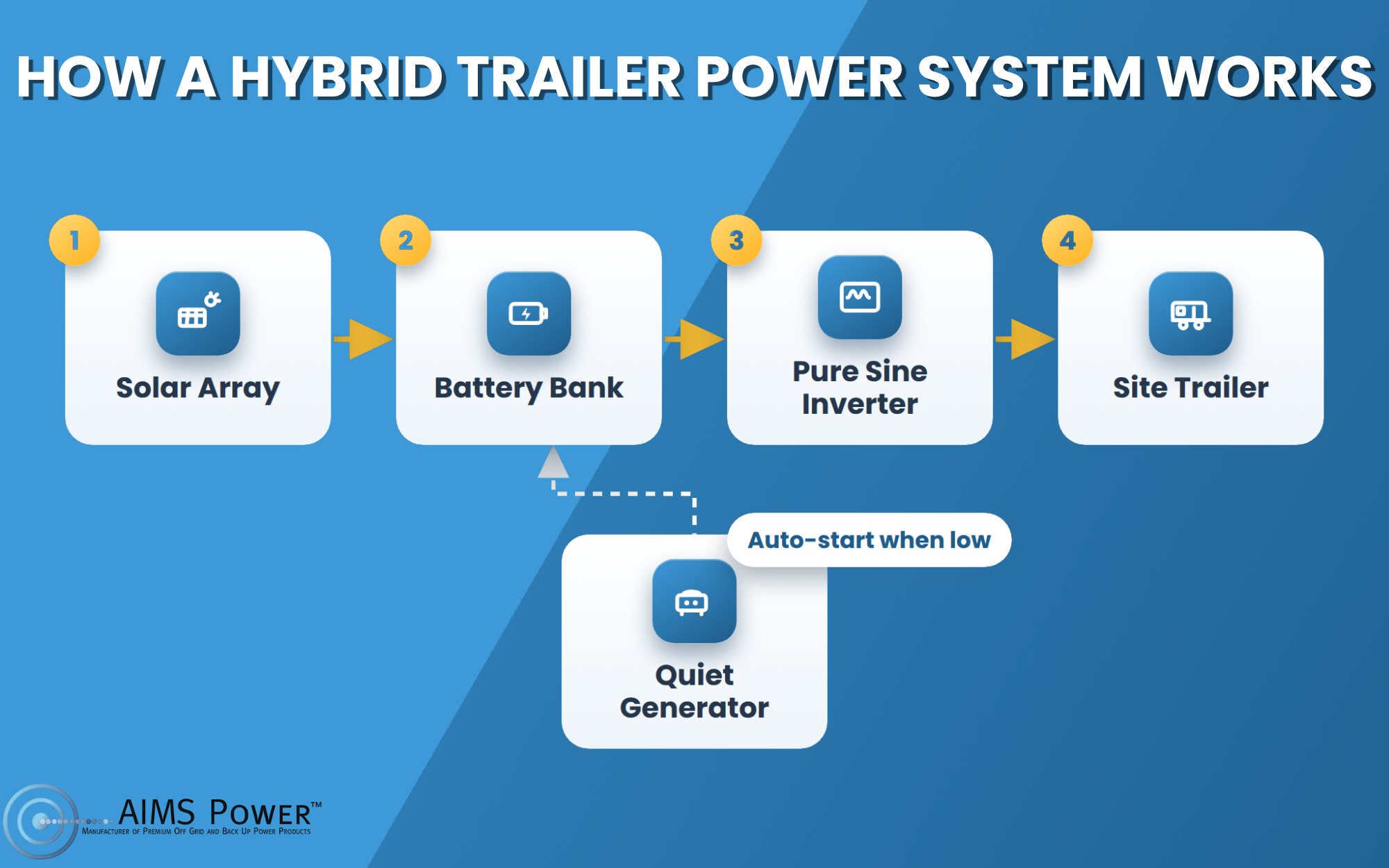
By combining lithium battery banks with an automated generator auto-start integration, the system only fires up a backup motor when energy reserves run low, maximizing energy efficiency across the entire project lifecycle.
Integrating Backup Generators and Renewable Energy Sources
While renewable energy sources provide clean daytime electricity, extended periods of heavy cloud cover, winter storms, or exceptionally high job-site demand require supplementary generation. Rather than running a combustion engine 24 hours a day, modern setups utilize smart automation to balance the distribution system.
How Hybrid Systems Work
When the battery storage state of charge drops below a specific safe threshold, an automated trigger signals an inverter generator to start up. The generator replenishes the storage bank quickly at peak operating efficiency and then shuts back down automatically. This hybrid methodology reduces runtime hours, cuts fuel expenses, and delivers dependable emergency power when unexpected power outages strike the local grid network or surrounding utility lines.
The Benefits of A Hybrid System
This multi-tiered approach ensures that even if fuel deliveries are delayed or a localized fuel shortage occurs, the trailer maintains core functionality using stored solar energy. The integration of smart transfer switches guarantees that the transition between solar inversion, battery draw, and auxiliary generator power happens within milliseconds, preventing computer reboots or server drops.
Protecting Sensitive Office Equipment in Harsh Environments
Job sites present a notoriously hostile environment for sensitive electronic equipment. Dust, fine particulate matter, high humidity, physical vibration from heavy machinery, and dirty utility or generator power can easily damage desktop computers, servers, security camera systems, and network routers.
Getting the Proper Power Type
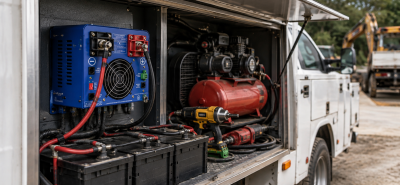
Deploying an advanced power setup featuring a pure sine wave inverter ensures that office hardware receives clean AC power that strictly mirrors municipal utility standards. In addition, housing the electrical hardware within climate-controlled trailer compartments prevents thermal stress, protecting internal components and extending the functional lifespan of both the inverter and the deep cycle batteries storage bank.
Keeping the Entire System Safe
Field offices also require surge protection and proper grounding. Because construction sites frequently experience lightning strikes, heavy equipment switching surges, and unstable temporary power drops, installing comprehensive transient voltage surge suppression upstream of the inverter safeguards the entire installation against catastrophic equipment failure.
Wiring, Fuses, and DC Safety Considerations
Because mobile systems rely heavily on low-voltage direct current moving from the battery bank to the inverter, managing amperage is critical for safety and performance. At high power outputs, a 12V, 24V, or 48V DC circuit draws hundreds of amps.
Cables
Using undersized cabling creates excessive electrical resistance, leading to voltage drop, heat generation, and potential system failure or fire hazards. Implementing thick, industrial-grade copper cables paired with properly rated class-t fuses ensures that the electrical infrastructure remains safe and fully compliant with industry standards under full load conditions.
Maintenance
Routine maintenance of these connections is vital. Job-site vibration can loosen terminal lugs over time, increasing contact resistance. Establishing a monthly inspection protocol to check torque values on all DC bus bars, circuit breakers, and battery terminals guarantees long-term reliability and prevents unexpected voltage drops during peak operating hours.
Equipping Your Job Site With AIMS Power
AIMS Power is a trusted United States-based manufacturer with more than 20 years of experience engineering advanced power conversion equipment and renewable energy solutions. We provide the heavy-duty hardware required to build dependable mobile power setups for contractors, builders, and fleet operators. From industrial-grade power inverters and multi-stage battery charger units to complete solar integration kits, we manufacture reliable equipment built to withstand harsh field conditions.
Our in-house technical support team collaborates directly with project managers and site engineers to configure custom power systems tailored to your exact operational scope. Whether you need to outfit a single mobile trailer or standardize the electrical architecture across an entire fleet of job-site assets, AIMS Power delivers a complete solution designed for maximum durability.
To upgrade your project’s energy resilience and review equipment options for your next build, browse the full line of AIMS Power solutions to find the exact match for your construction site requirements.