Standby Power for Facilities and Remote Equipment
The Short Answer: A standby power supply is a backup system that sits ready and takes over the moment the grid drops, so critical loads keep running through a power outage. For most facilities, the best setup is a battery bank paired with an inverter charger that switches to backup power automatically, since it brings power back in a fraction of a second and runs clean enough for sensitive electronics. Remote sites add solar panels and a charge controller to recharge off-grid.
Power rarely fails at a convenient time, and for a facility or core piece of equipment, a short outage can mean lost data, spoiled product, or a process that has to restart from zero.
A standby power supply is the system that prevents that, and its primary function is to supply power automatically when the normal source fails. The parts are the same across a staffed facility and an unmanned remote site, so choosing a system is mostly a matter of understanding what each part does and matching it to your loads.
What a Standby Power Supply Does
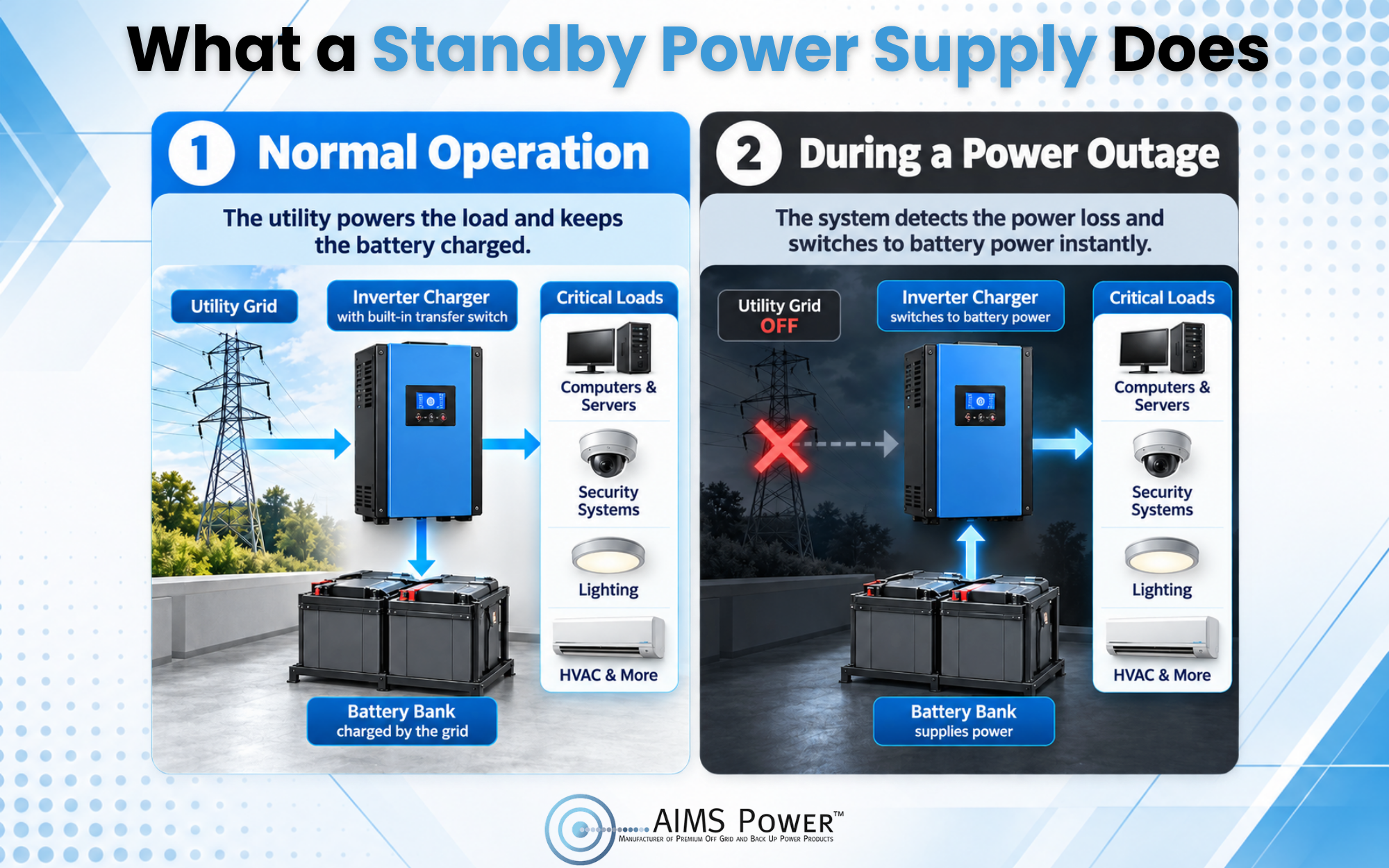
A standby power system sits in standby, monitoring the utility power, and does nothing until it detects a power loss. When the grid drops, the system brings backup power online and feeds it to the connected equipment, often fast enough that electronic devices never see the gap. That switching job is handled by an automatic transfer switch, which disconnects the load from the failed utility and connects it to the backup source, then switches back when normal power returns.
Backup power comes in a few different types, and knowing where each fits makes the buying decision easier. A battery paired with an inverter is the primary supply in most modern systems, since it carries the load when the grid fails. An inverter charger combines the inverter and battery charging in one unit with a built-in transfer switch.
A standby generator makes AC power from fuel for long outages, and an uninterruptible power supply, or UPS, is a battery unit that covers power instantly for shorter events. The battery-based options share the advantage that matters most during an outage, which is that they carry the load with practically no delay.
Standby Power for Facilities
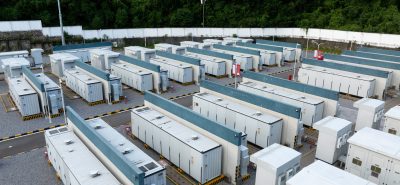
In a staffed facility, the question is which loads qualify as critical and how the standby system covers them. Data centers, medical sites, and process plants all run equipment that cannot lose power even briefly, and most rely on a battery-based standby system to stay online without a gap. The system is sized to the critical load, not the whole building, which keeps the cost and the battery requirement manageable.
Battery Standby With an Inverter Charger
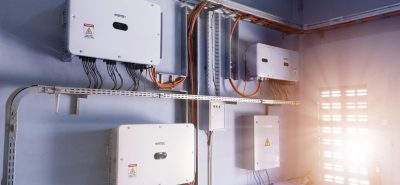
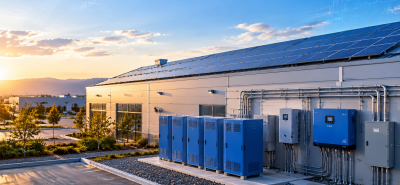
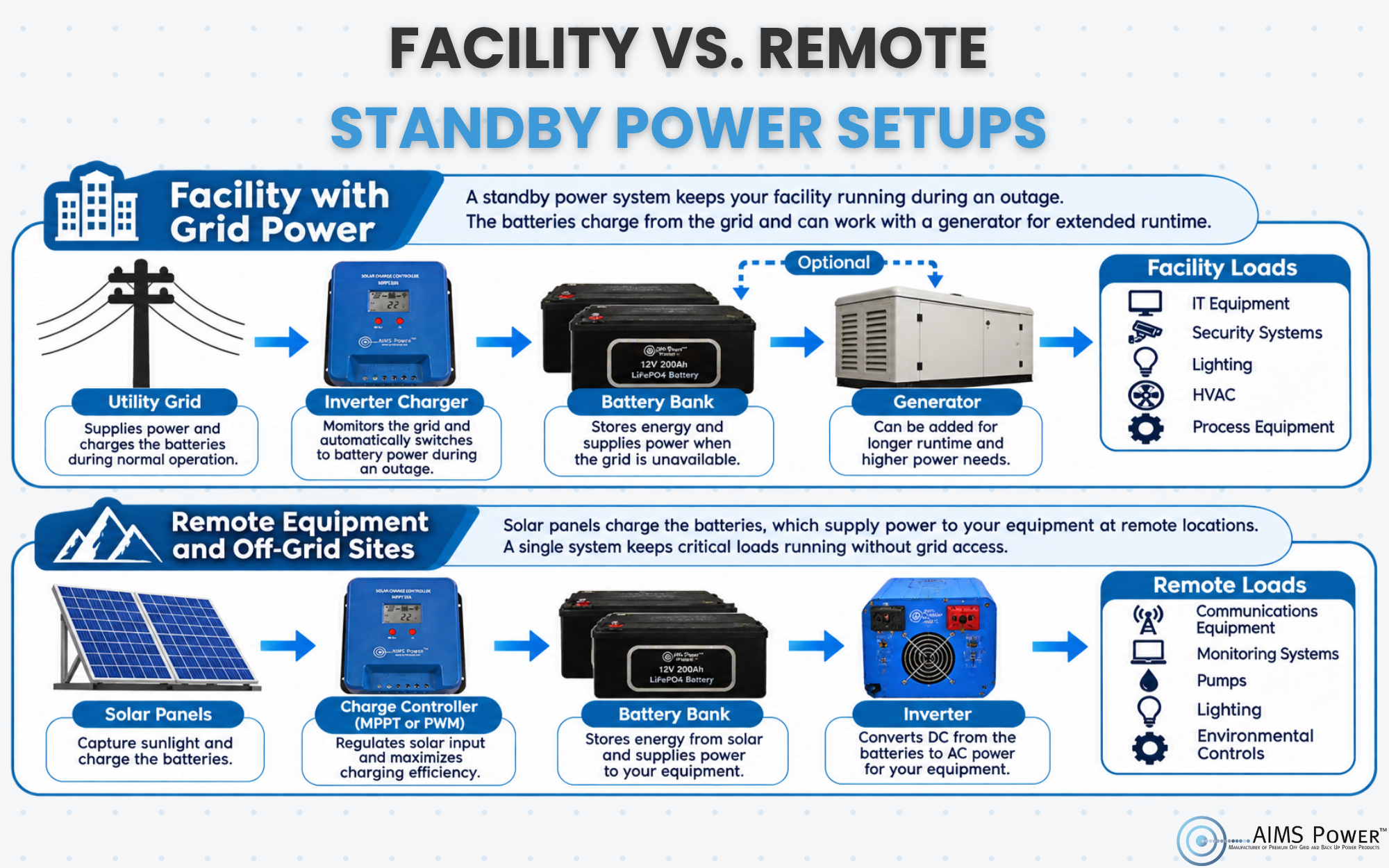
For most facilities, the standby power system is built around an inverter charger. It runs the load from a battery bank through its inverter circuit, recharges that battery from the grid through its rectifier circuit, and switches between sources automatically with a built-in transfer switch.
A facility-scale backup system usually centers on a 48 volt inverter charger, which carries larger loads at lower current, with smaller sites using a 12 or 24 volt unit instead. The system runs silently, produces no emissions, and can sit indoors, which a fuel unit or generator cannot, so it fits a facility that needs clean, instant backup with little upkeep.
Where a Generator Fits
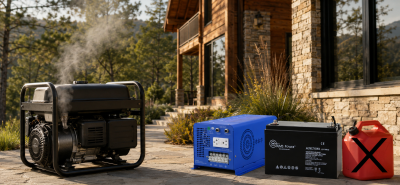
A standby generator has one main strength, which is runtime, since it makes AC power for as long as fuel is available, often natural gas at larger sites. That makes it useful as a backup charge source on outages that run longer than the battery bank alone can cover.
It works best in a supporting role rather than as the primary supply, because it starts with a delay, has to run outdoors, and needs regular maintenance. The stronger design pairs a battery and inverter charger for instant, clean backup power with a generator held in reserve for the longest events, so critical loads never see a power loss.
Keeping Electronics Protected
Clean power matters as much as continuous power. Equipment with a switch mode power supply, like servers and network gear, is sensitive to the quality of the AC power feeding it, so a standby system built around a pure sine inverter protects that equipment the way grid power would. A pure sine output can run an air conditioner, a microwave oven in a break area, or any motor-driven load without the rough waveform a basic generator can produce.
Standby Power for Remote Equipment
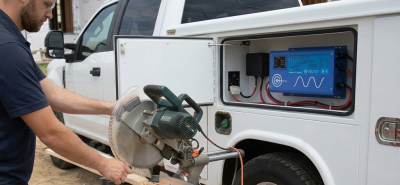
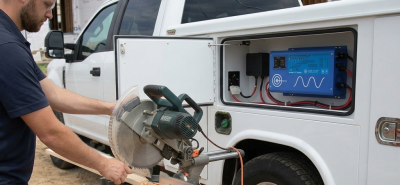
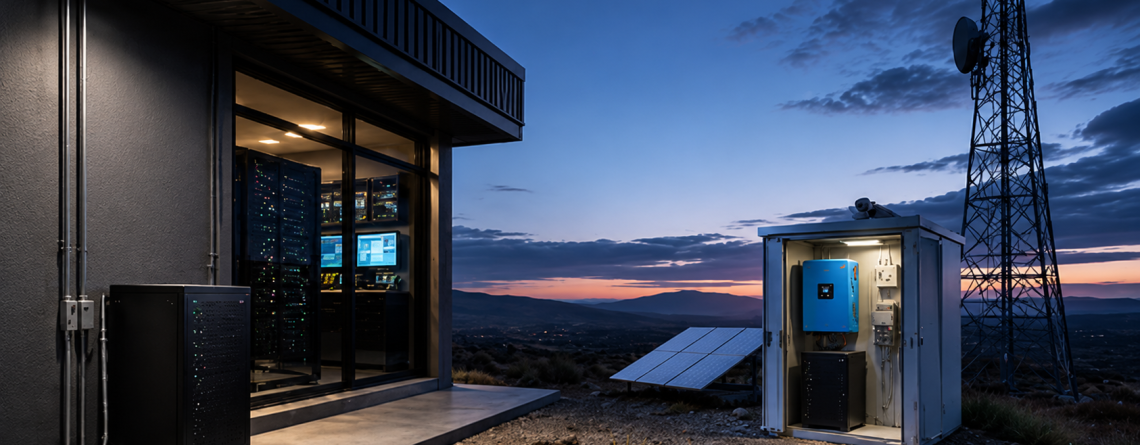
Remote equipment has different problems, because there is often no grid to stand by for. A monitoring station, a pump, a telecom repeater, or a gate with a remote control may sit miles from the nearest utility line, so the standby power supply has to be the primary power source too.
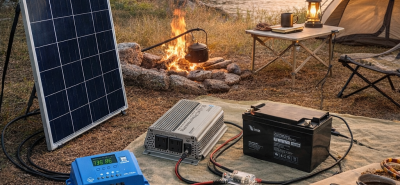
The best answer for these sites is solar paired with a battery bank. The panels charge the battery through a charge controller during the day, the battery carries the equipment overnight and through cloudy stretches, and an inverter supplies AC power to any electrical device that needs it, with no fuel to haul to the site.
For a remote site, sizing is about the daily energy consumption of the equipment and the worst-case stretch without sun, not a short outage. You can always keep a small generator on hand only as a backup charge source for long overcast periods.
Sizing Before You Buy
Two main numbers decide what to order:
The first is capacity, meaning the inverter or inverter charger has to be rated above the total wattage of the critical loads plus the surge that motors pull at startup.
The second is runtime, meaning the battery bank has to hold enough energy to carry those loads for the hours you need before power returns or the battery recharges.
Add up the continuous draw of every load that has to stay on, note which ones surge at startup, and size up from there, since a system running below its rating stays cooler and lasts longer. Matching the capacity to the critical load and the runtime to the outage you are planning for is what makes a standby system people can rely on.