
Split Phase Inverters Explained: Getting 120/240V From One Unit
The Short Answer: A split phase inverter produces both 120V and 240V AC power from one unit, the same split-phase power a home or small commercial building gets from the grid. It does this by splitting its output into two 120V legs that combine to 240V, so a single inverter can run everyday 120V household appliances and 240V loads like a water heater, an air conditioner, or a well pump. For off-grid, solar, and backup systems that need 240V, a split phase inverter charger is what delivers it.
Most homes and many small commercial buildings in the United States run on split-phase power, which supplies 120V for standard outlets and 240V for larger equipment from the same service. An off-grid, solar, or backup system has to match that, and a standard single phase inverter that only puts out 120V cannot run a 240V load.
A split phase inverter solves this by producing both voltages from one unit, so the system powers the whole building the way grid power would. Understanding how split phase works, and what to look for in a split phase inverter, makes it easier to spec a system that runs everything on site.
What Is a Split Phase Inverter
A split phase inverter is an inverter that converts DC power from a battery into split-phase AC power, delivering 120V and 240V at the same time. It is the inverter type that matches standard US residential and light commercial service, which is why it is the right choice for a system meant to back up or replace that supply.
Single Phase vs Split Phase
A basic single phase inverter produces a single AC output, which is fine for small loads but cannot run equipment on other voltages. Split phase is a form of single-phase power that carries two 120V legs 180 degrees apart, so the two legs combine to 240V while each leg still provides 120V. A split phase inverter reproduces that, giving the same 120/240V split-phase system an electrician expects from grid power.
The practical difference shows up with larger equipment. A well pump, a central air conditioner compressor, an electric water heater, and an EV charger are wired for 240V, and they pull that voltage across both legs at once. A single 120V inverter has no second leg to pull from, so those loads will not run on it. This is the main reason a whole-building system uses split phase rather than a basic single phase unit.
How One Unit Makes 120 and 240 Volts
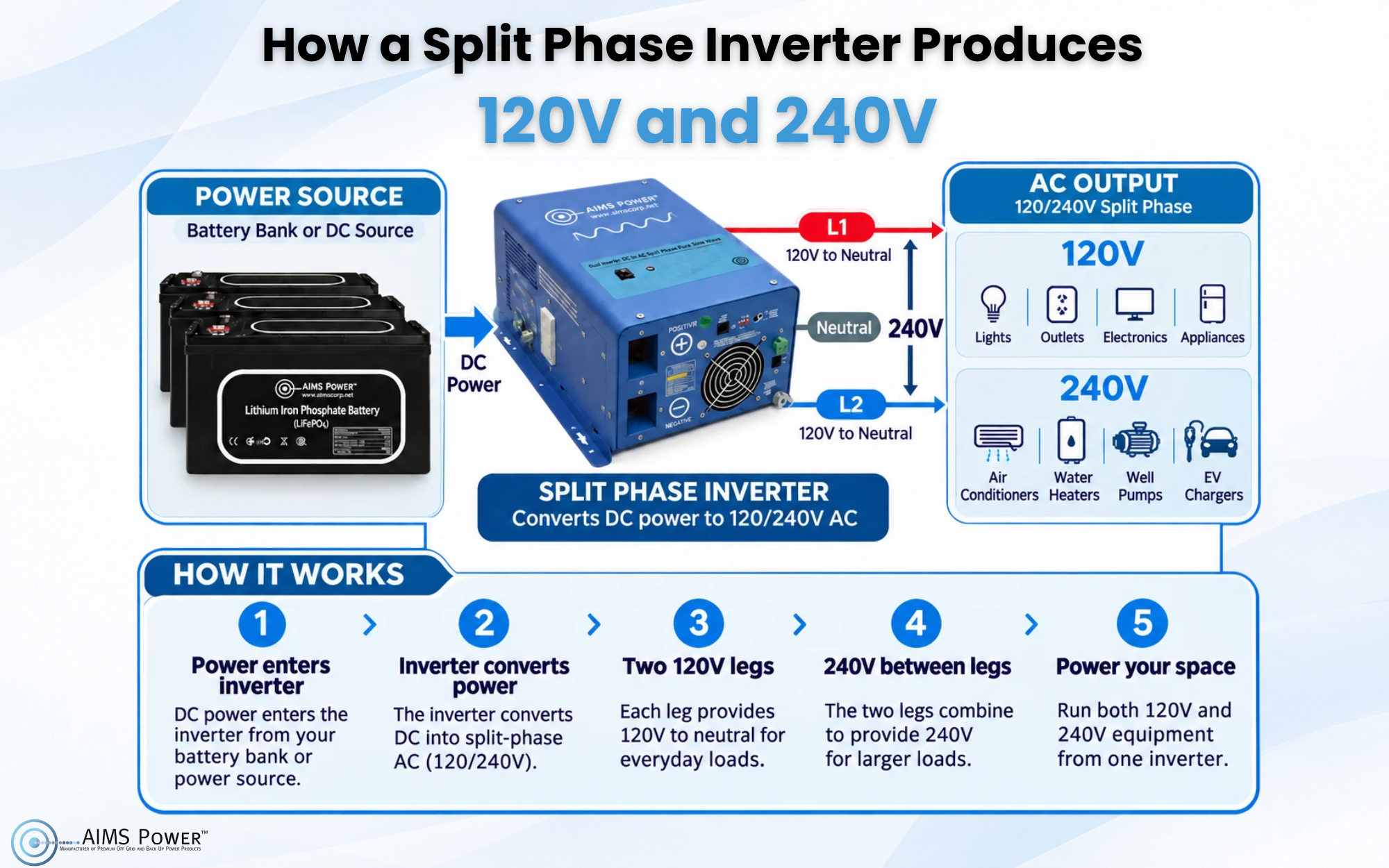
Inside a split phase inverter, the unit creates two 120V legs referenced to a shared neutral. Each leg to neutral is 120V for standard circuits, and leg to leg is 240V for larger equipment. That is how a single unit covers both the 120V AC output for outlets and the 240V output for heavy loads, with a clean pure sine wave output that sensitive electronics need.
What a Split Phase Inverter Can Power
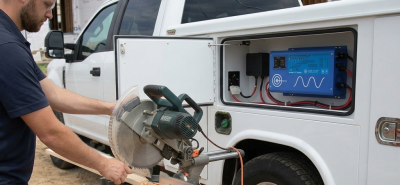
Because it supplies both voltages, a split phase inverter can run an entire panel rather than a few circuits.
- 120V loads: lights, outlets, electronics, and most household appliances.
- 240V loads: a water heater, an air conditioner, a well pump, a dryer, or shop equipment.
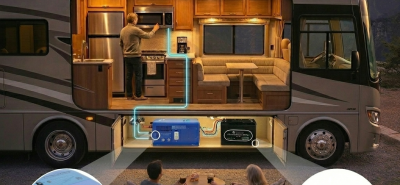
That range is why split phase power is the standard for whole-building off-grid, solar, and backup power, in homes and in many commercial applications where the site needs 240V.
Split Phase Inverter Chargers and Hybrids
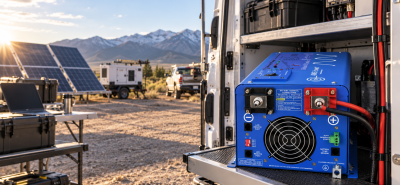
For most off-grid, solar, and backup builds, the split-phase unit is an inverter charger, which adds battery charging and automatic transfer to the inverter.
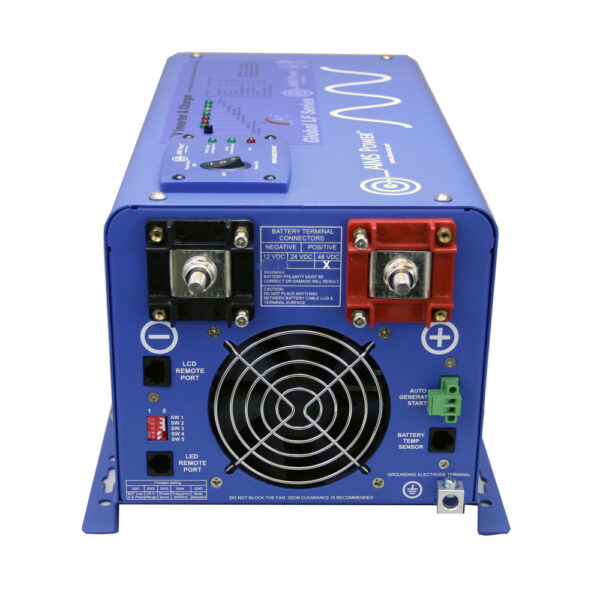
4000W · 48V DC
Pure Sine Split Phase Inverter Charger
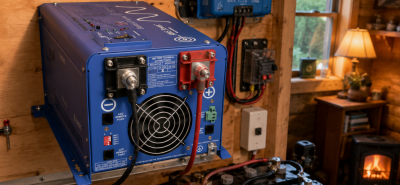
Power both standard 120V circuits and larger 240V loads from one inverter charger. This AIMS Power model pairs pure sine wave output with battery charging and an automatic transfer switch for off-grid and backup power systems.
Shop This InverterSplit Phase Inverter Charger
A split phase inverter charger runs loads from the battery, charges that battery from grid power or a generator, and transfers between sources automatically. It typically includes an AC input for shore power or utility and a dedicated generator input, so the system can accept whatever source is available and hold a steady continuous output. AIMS builds these in 48V split-phase models up to 12,000 watts, with pure sine wave output and overload protection built in.
Split Phase Hybrid Inverter
A split phase hybrid inverter adds solar charging to the same unit, taking a solar input directly so the solar array charges the battery without a separate controller. A split phase hybrid pairs solar power, battery power, and 120/240V output in one box, which simplifies a solar PV build. Where a system uses a separate charge controller instead, a split-phase inverter charger pairs with the solar array and a lithium battery bank to do the same job across a few components.
Choosing a Split Phase Inverter
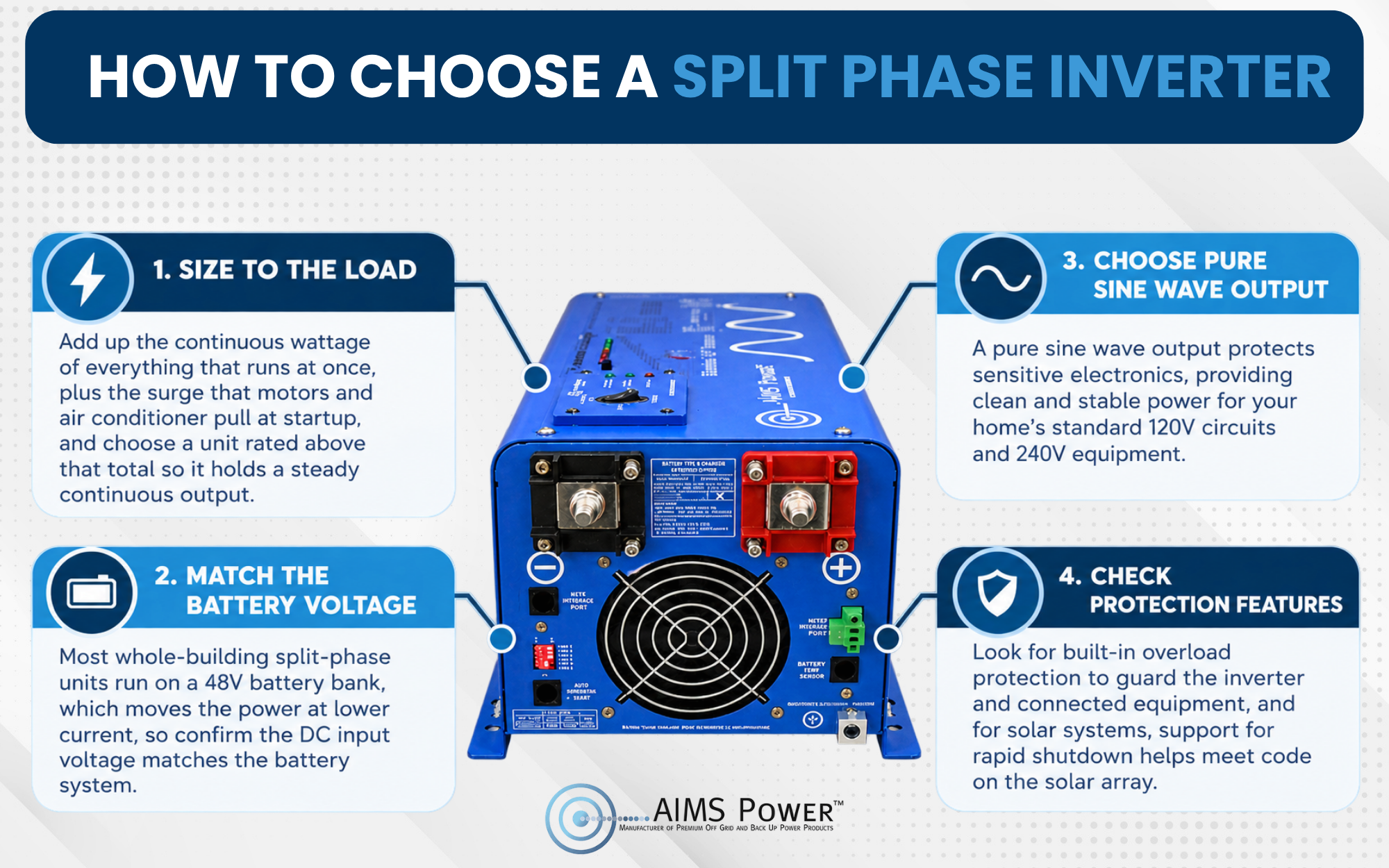
A few specs decide which split phase inverter fits a build:
- Size to the load: Add up the continuous wattage of everything that runs at once, plus the surge that motors and an air conditioner pull at startup, and choose a unit rated above that total so it holds a steady continuous output.
- A well pump or compressor can draw several times its running wattage for the first second or two, so the surge figure often decides the size more than the continuous total does.
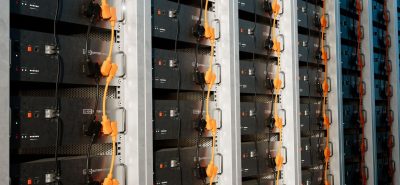
- Match the battery voltage: Most whole-building split-phase units run on a 48V battery bank, which moves the power at lower current, so confirm the DC input voltage matches the battery system.
- A higher bank voltage draws fewer amps for the same wattage, which keeps wiring and heat down and lets the bank support longer run times on heavy 240V loads.
- Pure sine and protection: A pure sine wave output protects sensitive electronics, built-in overload protection guards the inverter and connected equipment, and for solar systems, support for rapid shutdown helps meet code on the solar array.
Wiring the Two Legs Into a Panel
A split phase inverter charger connects to a load panel the same way a grid service would, with the two 120V legs landing on the two hot bus bars and the shared neutral and ground tied in. The 240V breakers span both legs, and the 120V breakers alternate between them.
On an inverter charger, the AC input and generator input feed the built-in transfer switch, which passes an outside source through to the panel when it is available and switches back to the battery when it is not.
Important: A licensed electrician should handle the panel connection so the system meets local code.
Getting 120/240V From One Unit With AIMS Power
AIMS Power has spent more than 25 years, since 2001, building inverters for off-grid, solar, and backup systems across the United States. Its split-phase pure sine inverter chargers deliver 120/240V from a single 48V unit, up to 12,000 watts, with the charging and automatic transfer a whole-building system needs. If you are speccing a split phase system for a home, an off-grid site, or a commercial application, contact AIMS Power to match a unit to your loads and your solar or generator setup.