
LiFePO4 vs. AGM Batteries for Commercial Power Systems
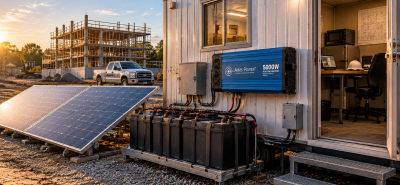
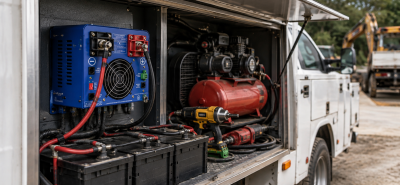
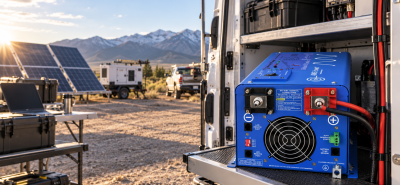
The Short Answer: When designing a dependable off-grid setup or a mobile commercial fleet vehicle, choosing the right energy storage foundation comes down to evaluating AGM vs. Lithium technologies. While traditional lead acid battery options remain popular due to a lower initial cost, advanced lithium iron phosphate (LiFePO4) chemistry outperforms them across nearly every performance metric. By delivering higher energy density, a significantly longer lifespan, faster recharge rates, and greater usable capacity, a modern lithium battery or lithium-ion battery bank transforms how commercial work trucks, service vans, and remote solar arrays store and deploy electrical energy.
Selecting the right battery type dictates whether a commercial power system will withstand punishing field conditions or suffer from premature capacity fade. As fleet operators and off-grid installers evaluate battery options, understanding the technical differences between AGM and lithium chemistry helps them make informed decisions that maximize ROI and operational uptime.
Core Architectural Differences: AGM vs. Lithium
To appreciate why energy professionals increasingly favor lithium technology for heavy-duty applications, it is essential to examine the key differences in how these two chemistries are built and operated.
Absorbent Glass Mat (AGM) Construction
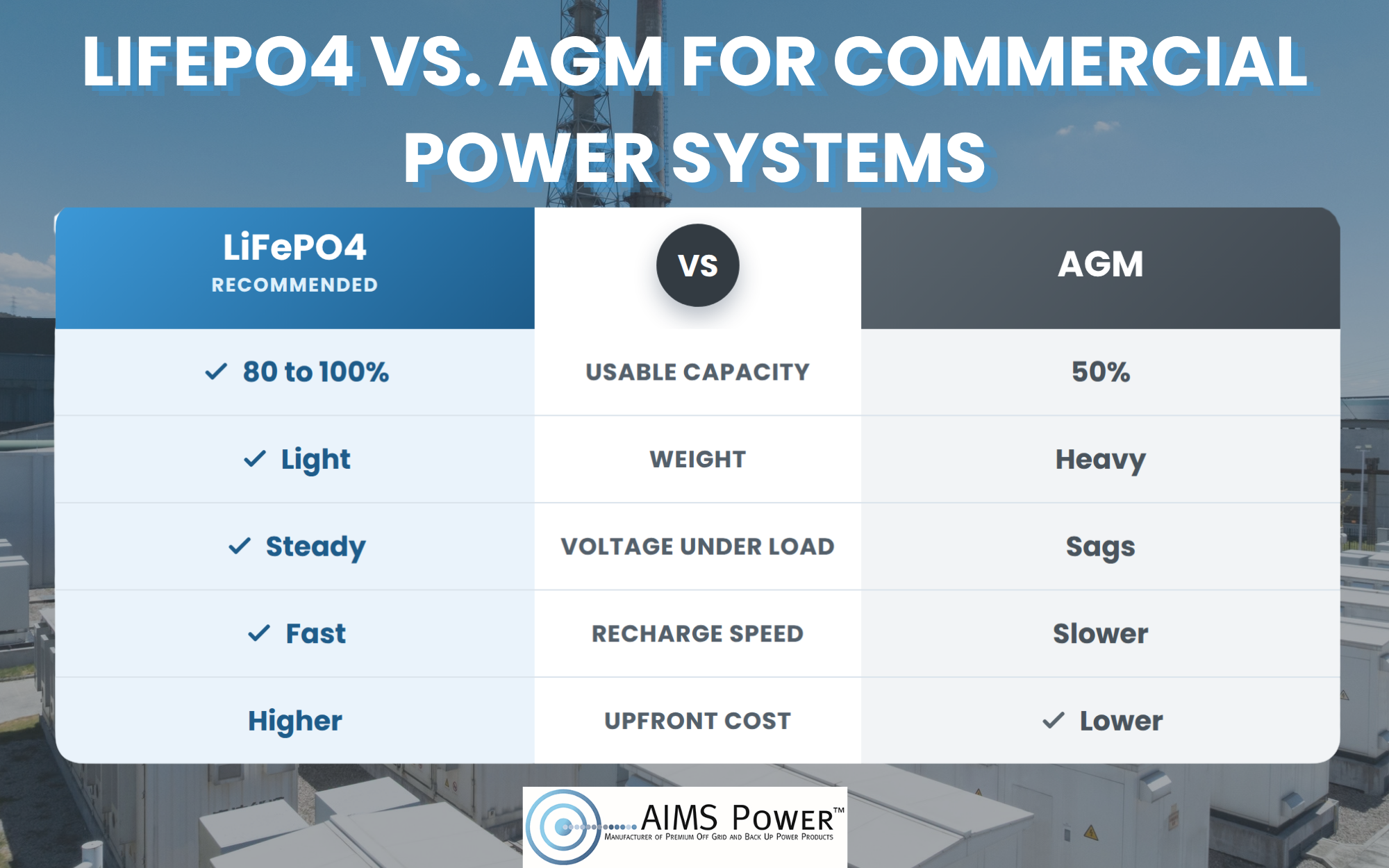
An AGM lead acid configuration utilizes specialized fiberglass mats saturated with electrolyte solution trapped between lead plates. They offer excellent vibration resistance, are entirely spill-proof, and function reliably as a starting or auxiliary AGM battery. However, their internal resistance increases over time, and drawing them below 50% depth of discharge rapidly degrades their operational lifespan.
Lithium Iron Phosphate (LiFePO4) Construction
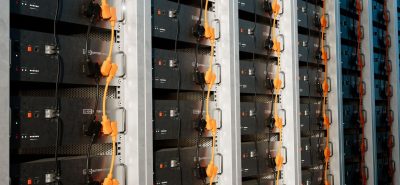
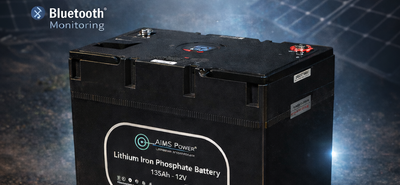
Modern lithium-ion configurations, particularly LiFePO4, utilize stable chemical bonds that resist thermal runaway and support thousands of deep discharge cycles. Unlike traditional lead acid units, a lithium power bank can routinely discharge 80% of its total rated capacity without harming internal cell structures.
The stark difference in discharge capability means a smaller, lighter lithium bank can provide the same usable energy as a much larger, heavier AGM setup.
Weight Savings, Fuel Efficiency, and Payload Capacity
For commercial service vehicles, utility trucks, and mobile work fleets, every pound of cargo weight impacts daily operational costs.
The Weight Penalty of Lead Acid
A traditional AGM battery bank is exceptionally heavy. Scaling up storage capacity to run heavy-duty inverters and tools adds hundreds of pounds of dead weight to a vehicle’s chassis
The Advantages of Lithium Weight Savings
A lithium battery delivers substantially higher energy density at a fraction of the weight. Achieving significant weight savings reduces overall strain on vehicle suspension, improves
daily fuel efficiency, and frees up critical payload capacity for tools, equipment, and inventory.
In addition, because lithium batteries maintain a stable higher voltage throughout their discharge cycle rather than sagging early like lead acid options, connected DC equipment operates more efficiently under load.
Charging Dynamics, Efficiency, and DC-DC Integration
Managing energy replenishment in a commercial vehicle or off-grid station requires compatible hardware to ensure batteries charge safely and quickly.
Charging Systems
Traditional AGM batteries require multi-stage charging profiles and a reliable battery tender or trickle charger during storage periods to prevent sulfation. Lithium avoids both problems. LiFePO4 doesn’t sulfate and loses only a small amount of charge each month, so a truck can sit between jobs without a trickle charger connected. Lithium also accepts much higher charge currents, which lets it recharge far faster when paired with an alternator or a dedicated solar charge controller.
DC-DC Conversion
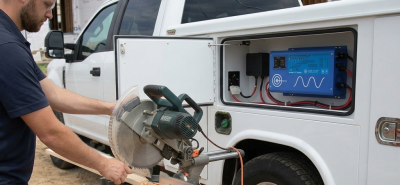
Because standard vehicle alternators are engineered to charge traditional starter battery networks, retrofitting a secondary lithium bank into a work truck requires a dedicated DC-DC converter. This hardware regulates current flow, protects the vehicle alternator from overheating, and ensures the rechargeable battery bank reaches full capacity safely while driving. A secondary AGM bank is simpler to add. AGM charges at voltages close to what the alternator already produces, so many builds connect it through a basic battery isolator instead. The exception is newer trucks with smart alternators, which lower their output voltage to save fuel and can leave an AGM bank undercharged. A DC-DC converter solves that problem for either chemistry.
Performance in Extreme Environments and Temperature Management
Field technicians operate in diverse climates, making thermal performance a critical factor when selecting a battery type.
Cold Weather Considerations
Both AGM and lithium chemistries react differently to extreme cold temperatures and ambient temperature fluctuations. AGM batteries experience temporary capacity reduction in freezing weather. Standard LiFePO4 batteries require internal or external heating protection mechanisms to prevent charging when temperatures drop below freezing, as low-temperature charging can permanently damage lithium cells.
Discharge Rate Efficiency
Under heavy commercial loads, an AGM battery suffers from voltage sag caused by internal resistance, particularly at a high discharge rate. A high-performance lithium bank maintains steady power output even when running power tools, air compressors, or heavy inverters simultaneously.
Long-Term Value and Total Cost of Ownership
Comparing initial purchase prices often makes AGM look appealing upfront, but evaluating total cost of ownership across a multi-year deployment reveals a different financial picture.
Lifespan Comparison
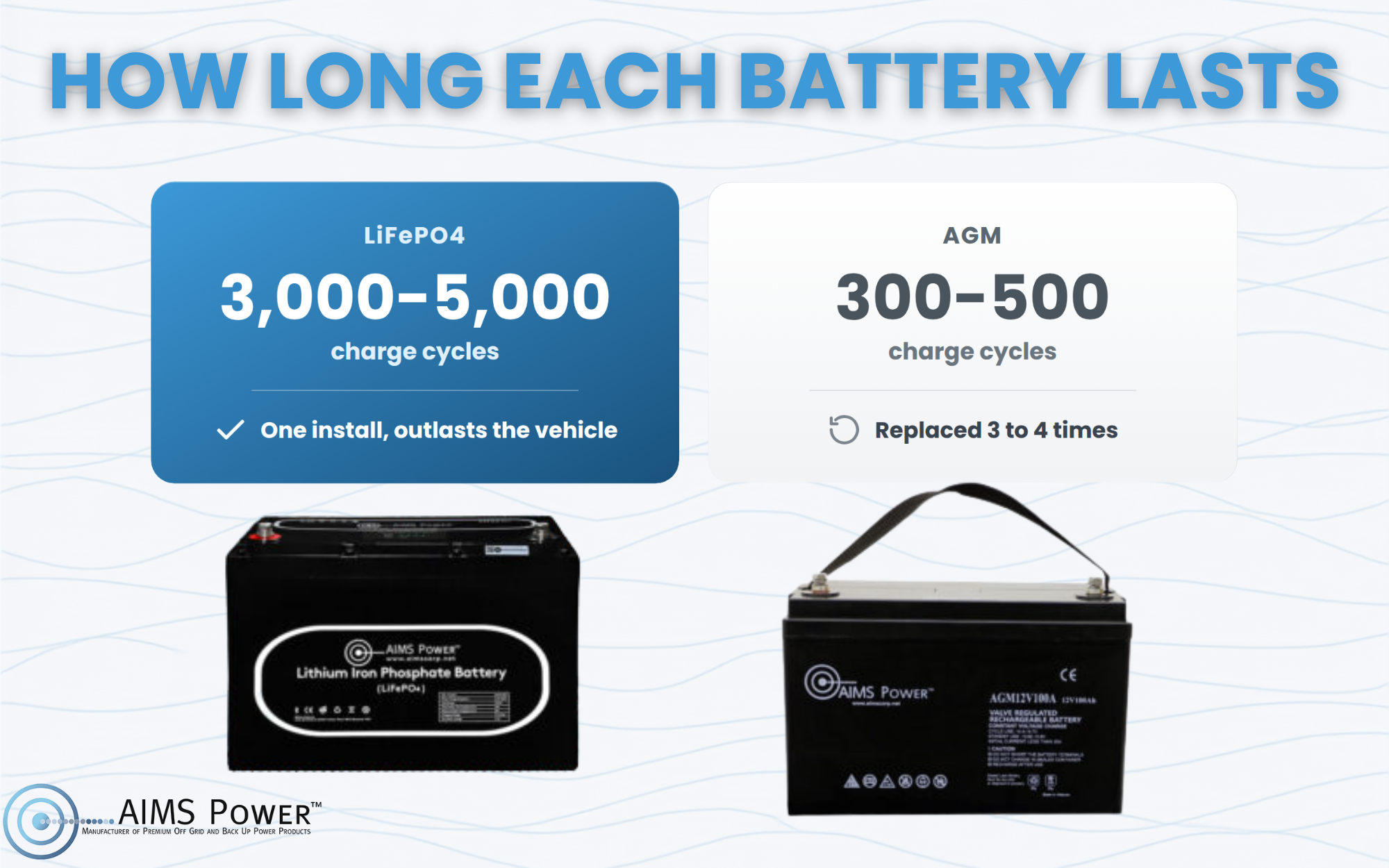
An AGM battery typically delivers 300 to 500 cycles at a 50% depth of discharge before losing its original capacity. A premium LiFePO4 battery can typically deliver 3,000 to 5,000 cycles at an 80% to 90% depth of discharge.
Replacement Frequency
Over the operational lifetime of a commercial vehicle, an operator might replace an AGM battery bank three or four times, whereas a single lithium installation can outlast the service life of the vehicle itself. This durability dramatically lowers long-term replacement labor and material costs.
Equipping Your Power System with AIMS Power
AIMS Power is a trusted United States-based manufacturer with more than 25 years of experience engineering advanced power conversion equipment and energy storage solutions. We provide the heavy-duty hardware required to build dependable high-wattage power setups for commercial service fleets, mobile workshops, and off-grid infrastructure. From industrial-grade deep cycle batteries and advanced lithium options to multi-stage battery chargers, we manufacture reliable equipment built to withstand demanding field environments.
To upgrade your mobile electrical resilience and review equipment options for your project, browse the full line of AIMS Power battery solutions to find the exact match for your commercial power requirements. If you’re not sure which chemistry or charging setup fits your needs, talk with our US based tech team before you buy.